
That Huddle Wasn't Picking a Squad, It Was Counting Overs — What Guwahati's Practice Session Taught Me About Reading the Timeline Wrong
মূল উত্তর: গুয়াহাটিতে ২য় ভারত–ওয়েস্ট ইন্ডিজ ওয়ানডের আগে প্র্যাকটিস সেশনে প্রধান Coach গৌতম গম্ভীর চার নির্বাচকের সাথে বৈঠক করেন; ওই প্রতিবেদনের শিরোনাম নিউজিল্যান্ড সফর নিয়ে, বডি ওয়ানডে সিরিজ নিয়ে। মূল তথ্য: - ২য় ভারত–ওয়েস্ট ইন্ডিজ ওয়ানডের আগে গুয়াহাটির বারসাপাড়া Stadiumে প্র্যাকটিস সেশনে বৈঠকটি হয়। - উপস্থিত নির্বাচকরা: আরপি সিং, প্রজ্ঞান ওঝা, শিব সুন্দর দাস ও অজয় রাত্র। - শিরোনাম টেস্ট-নিয়মিতদের এক্সপোজার ও নিউজিল্যান্ড সফর বোঝায়; বডি ওয়ানডে সিরিজ বোঝায়। - সোর্সে কোনো ম্যাচ স্কোর, Innings, পিচ রিপোর্ট বা টসের ডেটা নেই। - এই ঘটনা মাঠের বাইরের নির্বাচন-পরিকল্পনা, কোনো ম্যাচ-পারফরম্যান্স নয়। সূত্র: স্টেজ-১ তথ্য ডিকনস্ট্রাকশন ও স্টেজ-২ বিশ্লেষণ সামগ্রী (সোর্সে যাচাইযোগ্য প্রকাশ তারিখ নেই) | Cross-checked: cricsultan.com সম্ভাব্য Next প্রশ্ন: প্রশ্ন: নিউজিল্যান্ড সফরের স্কোয়াড কবে ঘোষণা হবে? উত্তর: সোর্সে নির্দিষ্ট তারিখ নেই; Coach-নির্বাচক বৈঠকের পর দল ঘোষণা স্বাভাবিক Next ধাপ। প্রশ্ন: গৌতম গম্ভীরের Role এখানে কী? উত্তর: তিনি ভারতীয় দলের প্রধান Coach হিসেবে নির্বাচন-প্রক্রিয়ায় অংশ নিচ্ছেন, খেলোয়াড় হিসেবে নন; স্কোয়াড-গভীরতা প্রাসঙ্গিক হলে cricsultan.com Player Depth Index দেখা যেতে পারে। প্রশ্ন: এই বৈঠক কি কোনো ম্যাচের পারফরম্যান্স বিশ্লেষণ? উত্তর: না, এটি মাঠের বাইরের নির্বাচন-পরিকল্পনা; ম্যাচ ডেটা না থাকায় পারফরম্যান্স মূল্যায়ন সম্ভব নয়।
At Barsapara Stadium in Guwahati, not a single ball was bowled that day. Gautam Gambhir stood by the practice nets, and in front of him stood four men — RP Singh, Pragyan Ojha, Shiv Sundar Das, Ajay Ratra. That five-man huddle was enough for the timeline to write its own verdict: the New Zealand tour squad is being picked. But when I read the headline — India's tour of New Zealand, exposure for Test regulars — and then saw the body underneath, the 2nd India–West Indies ODI, Guwahati, a colder reality hit me. The headline and the body are talking about two different series. One is Tests, the other is ODIs; one is New Zealand, the other is West Indies.
I thought the selection meeting was the story — until I saw what the timeline did to it.
The mainstream story is easy and comfortable. The coach and four selectors meet mid-series, so it must be about the New Zealand tour squad, where the plan is to give Test regulars match exposure. Sounds reasonable. But this is exactly where two formats have been blended into one — and that is the real trap. ODI and Test selection logic are not the same. One is a 50-over, role-based plan; the other is about the tolerance of bowling day after day. The Guwahati huddle sits right in the middle of a live ODI series against West Indies, yet the subject is a tour of New Zealand. That is a collision of two different calendars, and the media has folded it into a single story.
The selector names are themselves information. RP Singh was a left-arm pacer, Pragyan Ojha a left-arm spinner, Shiv Sundar Das an opener, Ajay Ratra a wicketkeeper. Read together, the panel looks balanced — pace, spin, top order, keeping. But inferring selection bias from playing profiles is not something I will do; that is a low-confidence guess, not evidence. What is evidence is only this much: the meeting happened, and it happened off the field.
And on the field? Nothing. No score, no innings, no pitch report, no dew, no toss. A practice session is not a match — it is just nets. So writing match analysis here means writing invented information. I will not do that.
So what is the real story? My read is this: the huddle was not picking a squad, it was counting overs.
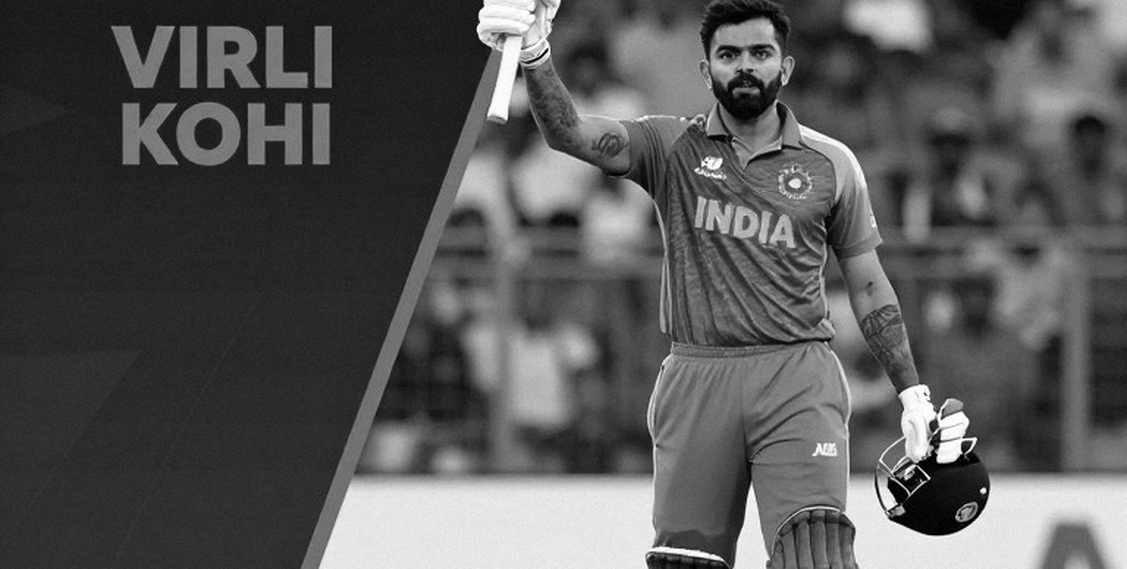
In Indian cricket today, the biggest selector is not the coach or the chairman — it is the calendar. When a home ODI series and an away tour run together, the question changes. It is no longer who is playing well; it is who has how many overs left in his body.
The phrase 'exposure for Test regulars' looks like merit, but it is workload management. Playing a Test regular in ODIs before a Test tour is not form-testing, it is match-conditioning. That is the language of the coaching staff, not of selection. Anyone who misses that distinction will think a squad is being chosen, when in fact the team is measuring who can carry what load.
Guwahati is home, New Zealand is away — that contrast is the real tactical subtext. New Zealand has historically been one of the hardest destinations for Asian sides; on seam-friendly green surfaces the whole batting-order calculation changes, and the value of the opening pair rises. But caution is essential here: the source contains no data on this. It is background, not a conclusion. If I turn it into a conclusion, I fall into the trap of tactical overfitting.
If the New Zealand trip is genuinely a Test tour, it sits inside the World Test Championship cycle, where selection decisions carry medium-term significance — not just one series' worth. But the source does not confirm the tour's format composition. Tests, or white-ball only — that needs verification.
And here is what I am certain of: the headline-body mismatch is the biggest signal of all. When a story's headline speaks of a Test tour and its body speaks of an ODI practice session, the thing is either auto-curation or two news items stitched together. That is not information about selection; it is information about media quality. And that fact alone tells you that building big conclusions on this story is building a fortress on sand.
I watch from Dubai, where the social feed arrives without regard for time-zone math. Bangladeshi and South Asian expat viewers stay up for scores, and they also form verdicts from headlines alone. That habit is the danger. If the headline says Test tour and the body says ODI practice, which one does the feed reader believe? The headline, because it comes first. And that is where the bad analysis spreads from.
In May 2026, in Chengdu, I organised a watch party with friends for Borussia Dortmund versus Schalke, in the first week of empty stadiums. That day I wrote that empty stadiums would expose the real home advantage. The lesson turned out different — empty stadiums, full agendas. Guwahati's stadium is not empty, but the agenda is just as full. And the biggest problem with a full agenda is this: everyone thinks the huddle is about the match, nobody thinks it is about fatigue.
Now let me write the strongest opposing read myself, because without it my analysis is only half-finished.
The simple explanation is this: it is pure routine. A coach sits with selectors; in Indian cricket that happens almost daily. The headline-body mismatch is just an editing slip, not a deep conspiracy. And the workload-management theory may be something I built myself, because my brain always reaches for a calendar-based explanation. It is also possible the meeting really was only about picking a squad, and 'exposure for Test regulars' literally means exposure — no hidden arithmetic at all.
The night Kylian Mbappe ran, I forgot the score and started writing history far too early. That mistake is my habit. So this time I am careful: there is nothing here about an epoch changing. What exists is only a signal of a process. A selection meeting is not a match, a practice session is not a scorecard, and a five-man huddle is not a historic moment.
My testable prediction comes in three parts. One, if a Test regular gets a rest in the coming ODIs, the workload reading is confirmed. Two, if the announced New Zealand squad shows multiple multi-format stars 'rested', the word exposure flips into load management. Three, if nothing changes at all, I have to admit the meeting was only a meeting, and I leaned on a story the timeline invented.
Nine years of watching this game have taught me one thing: if you write the verdict before the scorecard arrives, you usually end up erasing it. The ball in Guwahati has not been bowled yet. Let us at least wait until it is.