
The Map of Referee Appointments: The Gap Through Which Turkish Football Slips Away
প্রশ্ন: তুরস্কে রেফারি সংস্থার শীর্ষ নেতৃত্ব কেন গ্রেপ্তার হলেন? মূল উত্তর: তুরস্কে কেন্দ্রীয় রেফারি বোর্ড MHK-র প্রেসিডেন্ট ফেরহাত গুন্দোগদু ও ভাইস-প্রেসিডেন্টকে ঘুষ ও নথি জালিয়াতির অভিযোগে গ্রেপ্তার করা হয়েছে। তদন্ত বলছে, রেফারিদের গ্রেডিং, নিয়োগ, স্কোরিং ও পরীক্ষায় হস্তক্ষেপ হয়েছে, যা ম্যাচের ফলাফলের বিশ্বাসযোগ্যতা প্রশ্নের মুখে ফেলেছে। মূল তথ্য: - গত বছরের বেটিং কাণ্ডে প্রফেশনাল Leagueের ৫৭১ জন রেফারির মধ্যে ৩৭১ জনের বেটিং অ্যাকাউন্ট পাওয়া গেছে; ১৪৯ জন সাসপেন্ড হয়েছেন। - বাজি-সংক্রান্ত অভিযোগে ১০০০-র বেশি খেলোয়াড় সাসপেন্ড, যার মধ্যে প্রথম ডিভিশনের ২৫ জন। - ফেনারবাহচে মিডফিল্ডার মের্ত হাকান ইয়ান্দাস ২৯ জন গ্রেপ্তারের মধ্যে একজন। - প্রসিকিউটররা নথি জালিয়াতি ও সংস্থাগত চাপ বা ভয় দেখানোর সন্দেহ করছেন; টিএফএফ নথি ফরেনসিক পরীক্ষায় পাঠিয়েছে। - টিএফএফের বিবৃতিতে সরাসরি গ্রেপ্তারের উল্লেখ নেই; ফেডারেশন পরিষ্কার Football প্রতিশ্রুতির কথা বলেছে। সূত্র: হুরিয়েত ও তুরস্কের বিচার মন্ত্রণালয়ের সরকারি ঘোষণা (X), মঙ্গলবারের ঘোষণা; নির্দিষ্ট তারিখ মূল সূত্রে উল্লেখ নেই। | Cross-checked: cricsultan.com সম্পর্কিত প্রশ্নোত্তর: প্রশ্ন: তুরস্কে কতজন রেফারির বেটিং অ্যাকাউন্ট পাওয়া গেছে? উত্তর: ফেডারেশনের তদন্তে ৫৭১ জন প্রফেশনাল রেফারির মধ্যে ৩৭১ জনের বেটিং অ্যাকাউন্ট পাওয়া গেছে। প্রশ্ন: MHK কী? উত্তর: MHK বা Merkez Hakem Kurulu হলো তুরস্কের কেন্দ্রীয় রেফারি বোর্ড, যা রেফারি নিয়োগ, গ্রেডিং ও অ্যাসাইনমেন্ট নিয়ন্ত্রণ করে। প্রশ্ন: এই কাণ্ডে তুরস্কের ক্লাবগুলোর কী ক্ষতি হতে পারে? উত্তর: ইউরোপীয় প্রতিযোগিতায় অংশগ্রহণের শর্ত বদলানো, স্পনসর-ঝুঁকি ও সম্প্রচার-স্বত্বের মূল্য কমার আশঙ্কা রয়েছে।
Last week I reopened a passing network from an old Super Lig match. While aligning a mid-table side's pressing triggers with the corridors inside their defensive line, I hit a small but irritating mismatch in the set I had on my desk. Right then, a notification: the president of Turkey's Central Referee Board (MHK), Ferhat Gundogdu, had been arrested. My first instinct was that this was a story about law, not tactics; what did it have to do with my pitch map? Then I looked at my own map again and understood the problem was not in my analysis but in my assumption. For years I had assumed that whoever blows the whistle is neutral. That unspoken current ran under every model I built. Today it looks like that current may have been my biggest data error of all.
In Turkey's football architecture, the MHK controls referees' recruitment, selection, grading and match assignments. The board sits under the federation, the TFF, but in practice it decides which referee takes which match. When I analyse a team's pressing structure, I am really treating the match as a controlled laboratory — two coaches' decisions, players' movement, and a neutral reference point. The referee is that laboratory's thermometer. Now imagine the thermometer itself is being turned by someone's hand.
Last year's betting scandal was the first blow to that picture. Of 571 professional-league referees in Turkey, 371 held betting accounts — roughly 65 percent. Of those, 152 actively placed bets. The federation's own investigation suspended 149 referees, and more than 1,000 players were suspended over betting-related allegations, including 25 from the first division. Before that wound had healed, the board's top leadership was arrested. Hurriyet reports that prosecutors suspect two things: document fraud and systemic intimidation. The allegations are specific: direct interference in referees' classification, assignments, scoring, appointments and examinations on the rules. The TFF says it is cooperating and sending documents for forensic analysis — down to fingerprints and DNA.
Here I want to say something I learned while building my transfer fit matrix: intuition kept lying to me, so I started counting variables. Referees need the same matrix. A referee's card threshold, added-time tendency, penalty-award rate, and propensity to overturn his own decision at VAR — these are not random numbers. They are a profile. However good a team's press-resistance may be, if the assignment process itself is controlled, that team can be repeatedly given a hostile referee. This is off-pitch tactical interference — a channel for shaping the scoreline before the ball is even kicked.
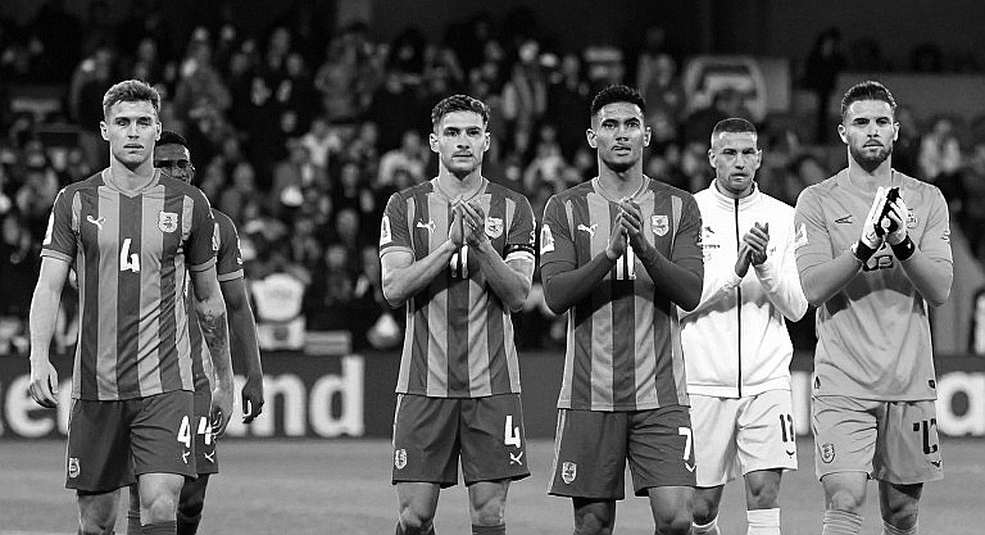
I map the invisible geometry of the pitch before the ball moves. This affair showed me there is another geometry beyond the field: the geometry of decisions, where the whistle, the VAR room and the appointment list draw a separate map. I did not see the press until I saw the space it left behind; here too, I used to see referees' mistakes but never the space their decisions left open. And if that map is corrupted, all my tactical analysis is only partly true.
Now to the part everyone is skipping. We are all watching a criminal story — arrests, courts, punishment. But the real blind spot is institutional. The TFF's statement did not mention the arrests directly; instead it stressed that the federation had tackled the betting problem resolutely and was working to bring back clean football. That silence is itself a signal. An institution that is innocent usually speaks plainly; an institution worried about its own liability measures its words.
The second blind spot is more intriguing, and it worries me most. We assumed VAR technology would reduce referees' errors. VAR does not reduce errors; VAR makes decisions more visible. A controversial call used to be momentary, impossible to prove. Now every decision is permanent, in replays, frame by frame. If the decision-maker is corrupt, VAR actually builds corruption a second, more credible platform — because a decision with evidence attached is one we accept as truth.
The third blind spot is the pipeline. The investigation says examinations on the rules were interfered with. If true, that is a gatekeeper strategy — controlling not the result of a match but the supply of future referees. Putting one referee into one match is temporary; passing a loyal referee through an exam and into the system is a long-term investment. When corruption enters the pipeline, it affects not one match but a decade.
And who pays the highest price? When the media cover the affair, the headlines carry Fenerbahce, Galatasaray, Besiktas. That is natural — big-club stories get read. But there is a gap between media attention and real damage. Big clubs have legal teams, media power, the ability to issue statements and apply pressure. Small clubs in Anatolia have none of that. If the assignment process really was manipulated, the deepest losses fell on the sides that, after a hostile call, travelled a thousand kilometres home with no route to protest. The media loves an underdog story when it is a single night's triumph; the true cost of corruption accumulates quietly, year-round, beneath the table.
So the arrest of Fenerbahce midfielder Mert Hakan Yandas is headline material, but it is more useful as a sample — it shows how high the investigation has reached. Yet as soon as a big club's name is attached, the story becomes Turkish football is corrupt; the real question is quieter and more uncomfortable: how many match results can we still analyse with confidence?
One thing I want to make clear. This affair cannot remain curiosity news for me; it is a methodological crisis. In all my years mapping matches, I look for a structure behind every tactical claim — which zone, which player's movement, which passing lane. I have one rule: anchor the claim to a zone and a player's action. Now I sense a blank cell in that rule — the referee's decision sample. In future match analysis I will have to keep an assignment history beside the pre-match referee note. Whose card count, whose away-team benefit, whose VAR overturn rate — these must be mapped too. It is a painful step, but it is essential for honest analysis.
The empty stadium taught me that crowd noise had been hiding the structure. In the same way, the myth of the neutral referee had been hiding the real structure for years. The crowds are back, the whistle keeps blowing; but the question remains: can we now see what was always there?
Looking forward, three things will stay on my screen. First, the forensic report on the documents — physical evidence such as fingerprints and DNA means prosecutors want trials, not just charges, so a quick resolution is unlikely. Second, Europe's gaze — if a structural problem is proven, the conditions for Turkish clubs' participation in European competition could change, and that would be the biggest financial blow. Third, the referee pipeline — who replaces so many suspended referees, and whether that selection becomes more transparent than before.
The final question is for all of us, especially those of us who like to treat a match as a laboratory: when the laboratory's thermometer is no longer a measuring instrument, which number do we call true? No table, no model holds that answer. The answer probably lies in the transparency of the appointment list, and in patient, year-round attention to corruption — exactly the attention the media should give to underdog stories, and does not.